5 Critical Early-Stage Studies That Can Determine Whether a Data Center Project Moves Forward — or Stops Before It Starts

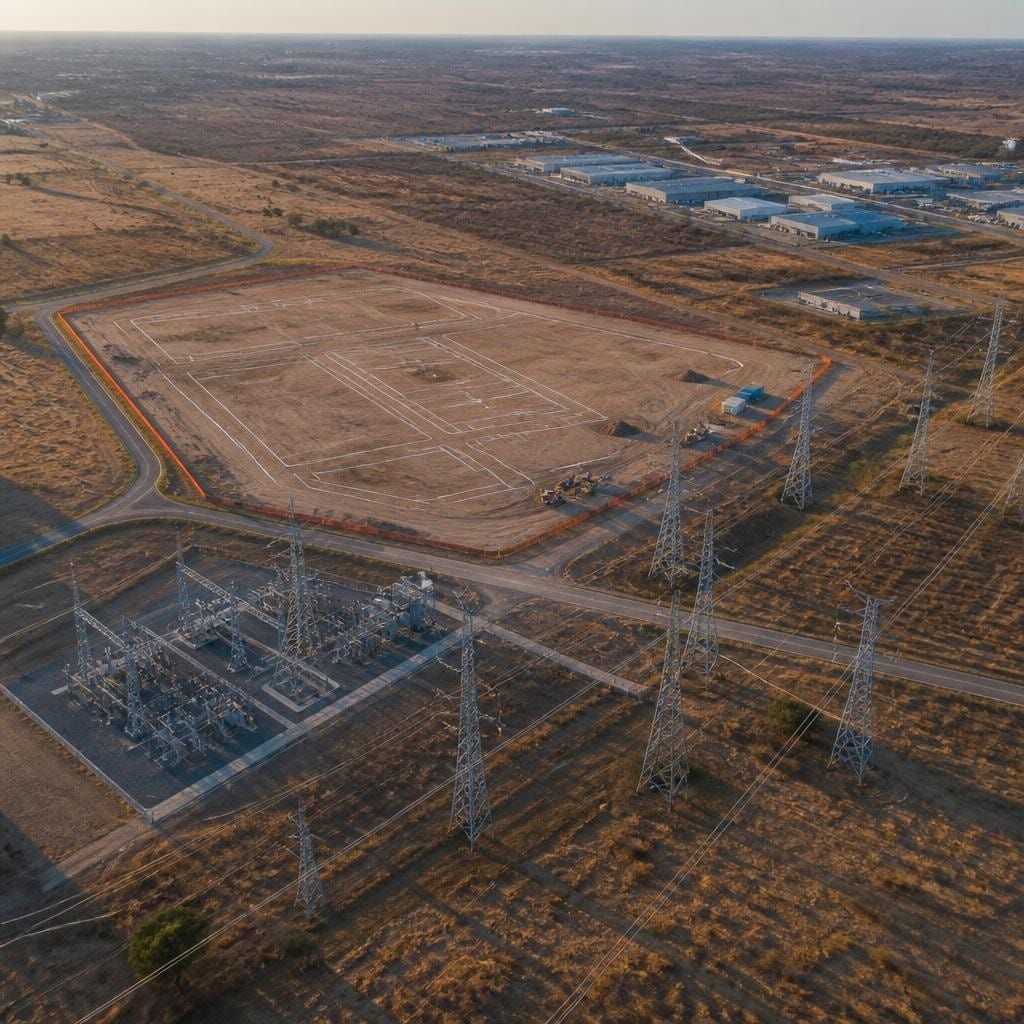
Building a Data Center is often perceived primarily as a construction challenge. Yet the success or failure of a Data Center project is frequently determined long before the first foundation is poured. Projects can be delayed, significantly redesigned or, in some cases, abandoned altogether because critical preliminary studies were overlooked, underestimated or initiated too late. Before detailed design decisions are made around resilience, cooling, AI workloads or sustainability targets, project owners need to answer a more fundamental question: Is the proposed site genuinely viable for Data Center development? Here are five early-stage studies can provide critical inputs to that decision.
1. Electrical Connection Study
Power Availability Comes First. For a Data Center, electricity is not merely a utility. It is the primary raw material. An electrical connection study should determine: ✔️ Available grid capacity ✔️ Maximum power deliverable to the site ✔️ Connection timelines ✔️ Required grid or connection infrastructure upgrades ✔️ Potential redundancy options ✔️ Constraints affecting future capacity expansion
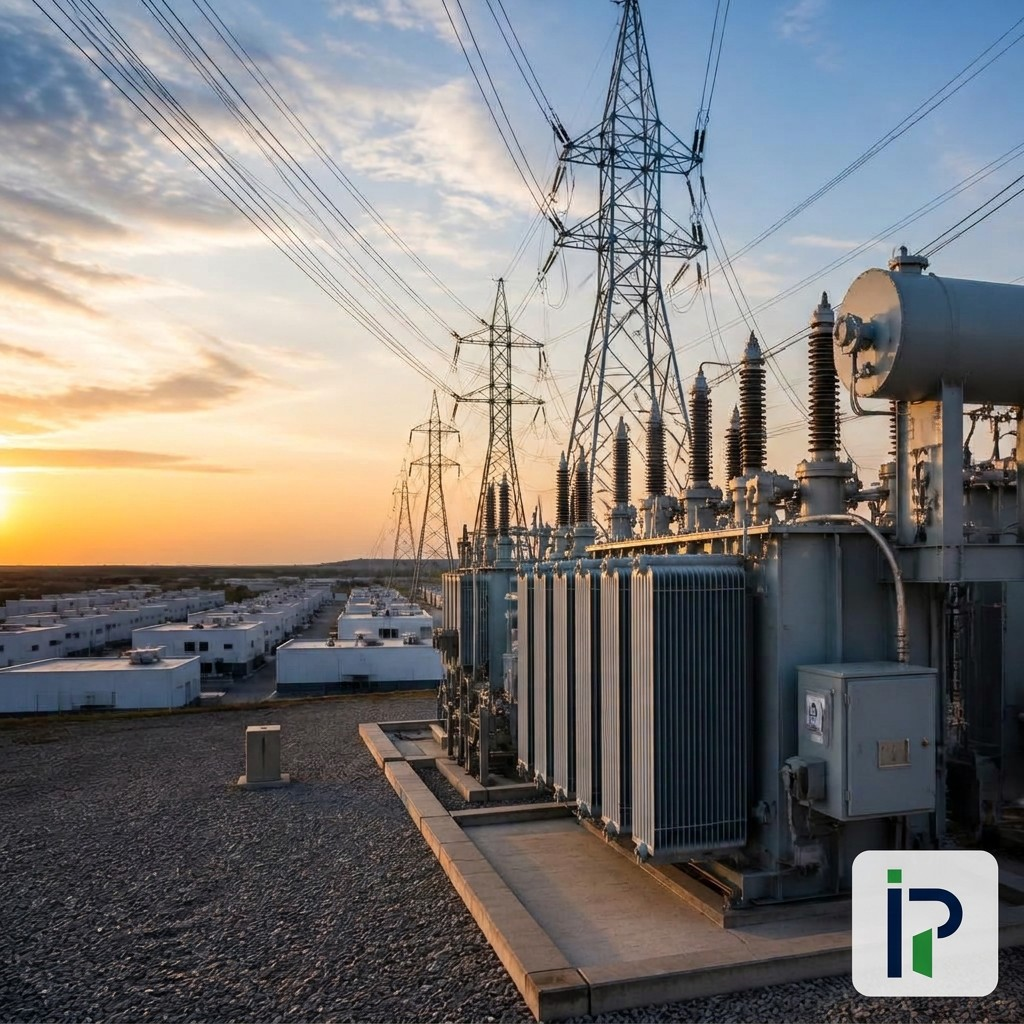
Key Question: Can the utility provider deliver the required power within the project's schedule, capacity and resilience objectives? Why It Matters? Without sufficient power availability, there is no Data Center project.
2. Geotechnical and Ground Investigation
Understanding What Lies Beneath.
A Data Center is a heavy infrastructure facility. Buildings, electrical substations, generators, cooling equipment, fuel storage systems and other technical infrastructure impose significant loads and constraints on the site. A geotechnical and ground investigation typically evaluates: ✔️ Soil bearing capacity ✔️ Ground stability ✔️ Seismic considerations where relevant ✔️ Groundwater and water table conditions ✔️ Foundation requirements ✔️ Potential ground remediation requirements What initially appears to be a cost-effective site can become significantly more expensive if major soil remediation or complex foundation works are required.
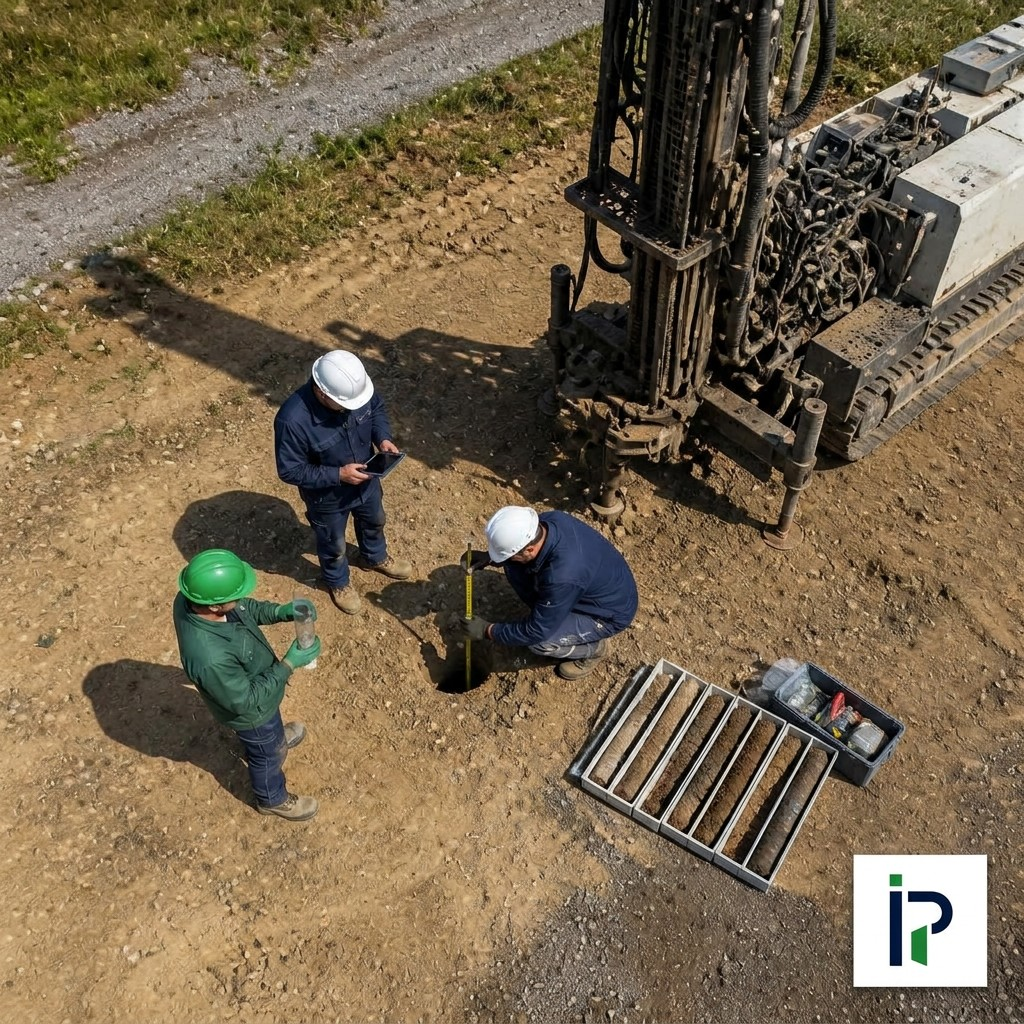
Key Question: Can the ground support the planned infrastructure safely and economically? Why It Matters Poor ground conditions can introduce major additional costs, affect the design and construction schedule, or make the proposed development financially unattractive.
3. Planning, Zoning and Land-Use Assessment
A Technically Suitable Site May Still Be Impossible to Develop. Finding a suitable plot of land is only part of the challenge. The proposed development must also comply with the applicable planning, zoning and land-use requirements. Depending on the jurisdiction, this assessment may examine: ✔️ Permitted land uses ✔️ Building height and footprint restrictions ✔️ Environmental or protected zoning ✔️ Utility and infrastructure corridors ✔️ Access requirements ✔️ Development permits ✔️ Future urban development plans ✔️ Restrictions affecting industrial or critical infrastructure A site may perform well technically while facing regulatory or planning constraints that significantly affect the project.
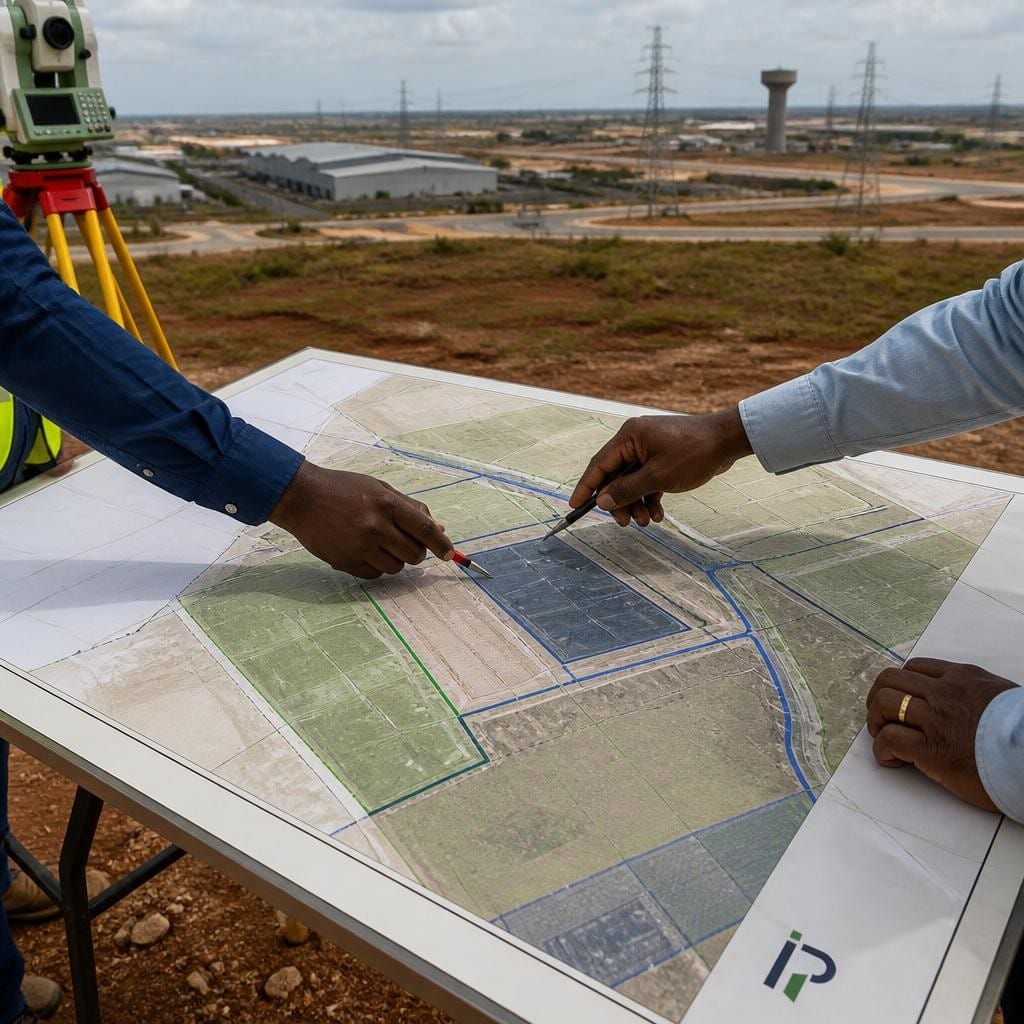
Key Question : Can a Data Center legally and practically be developed on this site?
Why It Matters Technical feasibility does not automatically mean administrative feasibility. Identifying planning constraints early helps avoid committing significant resources to a site that may face lengthy approvals, major restrictions or an unacceptable permitting risk.
4. Environmental and Social Impact Assessment
Identifying Environmental and Community Risks Large infrastructure developments increasingly face environmental and social scrutiny. Depending on the project, location and regulatory framework, an Environmental and Social Impact Assessment may consider: ✔️ Noise impact ✔️ Water availability and consumption ✔️ Air emissions ✔️ Biodiversity ✔️ Flood and other environmental risks ✔️ Waste and hazardous materials ✔️ Impact on surrounding communities ✔️ Local stakeholder concerns The objective is not only regulatory compliance. Early environmental assessment can identify constraints that may affect site layout, technology choices, permitting, construction or long-term operations.
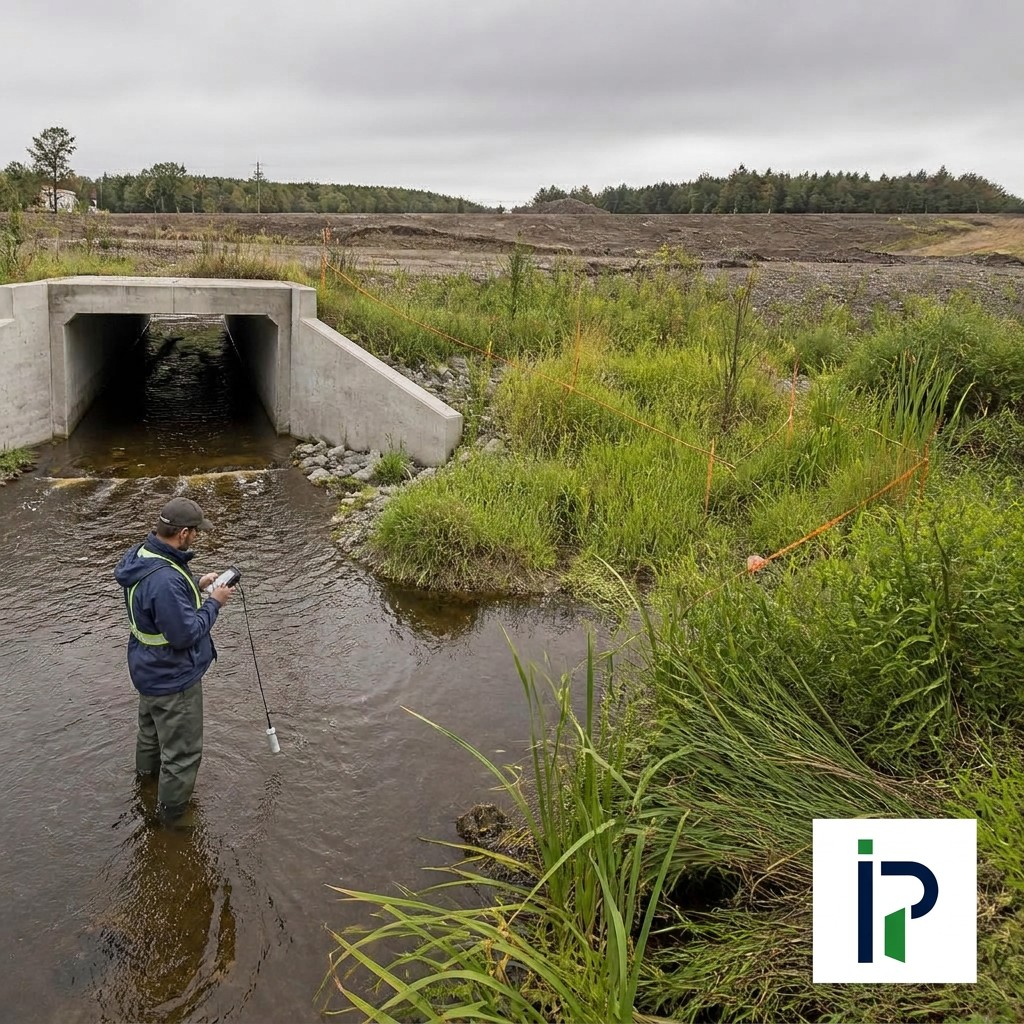
Key Question: What environmental or community-related risks could affect project authorization, design or long-term operation? Why It Matters Environmental constraints identified too late can trigger redesign, additional mitigation measures, permitting delays or opposition to the development.
5.Telecommunications Connectivity Study
Power Makes the Data Center Possible. Connectivity Makes It Usable. A Data Center must be connected to a resilient and scalable telecommunications ecosystem. The connectivity study should assess: ✔️ Fiber availability ✔️ Number of network operators ✔️ Carrier diversity ✔️ Physical route diversity ✔️ Existing and planned fiber infrastructure ✔️ Latency considerations ✔️ Access to Internet Exchange Points and interconnection ecosystems where relevant ✔️ Opportunities for future connectivity expansion Having fiber near a site is not necessarily sufficient. Resilience depends on understanding how networks reach the site, whether routes are genuinely diverse and what options exist if one path or provider fails. Connectivity can also influence the type of customers and workloads that the facility can attract.
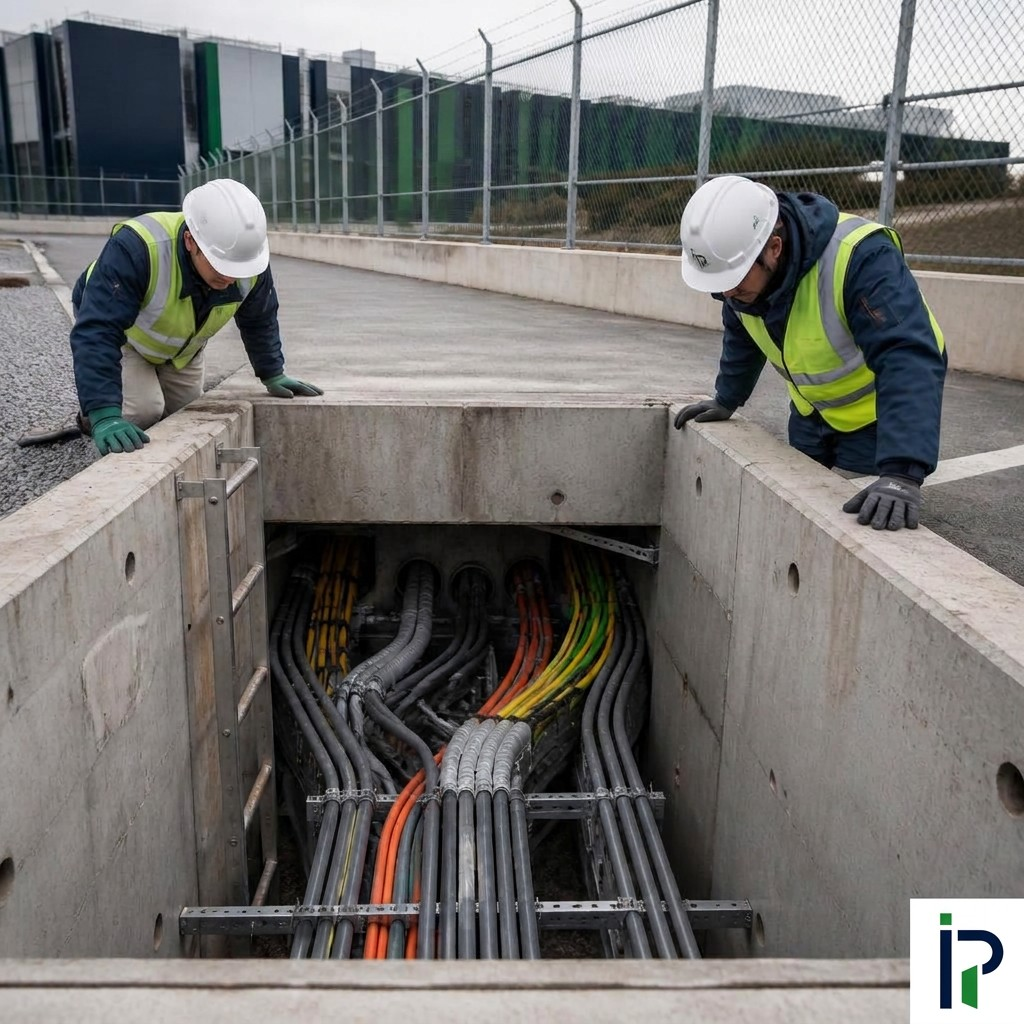
Key Question: Can the site support resilient, diverse and scalable telecommunications services? Why It Matters Connectivity can become a decisive factor in attracting enterprise, cloud, content and AI workloads.
Why These Studies Matter Together
One of the most important mistakes to avoid during early project development is evaluating each study in isolation. In reality, their conclusions are interconnected. For instance: ✔️ Strong electrical availability may be offset by weak or insufficiently diverse connectivity. ✔️ Excellent connectivity may exist on land subject to significant planning restrictions. ✔️ Suitable land may require extensive geotechnical remediation. ✔️ Environmental constraints may affect cooling choices, site layout or operating conditions. ✔️ A technically feasible grid connection may arrive too late for the project's commercial timeline. The objective is therefore not simply to complete a series of studies. It is to understand how their conclusions interact and what those interactions mean for the overall viability of the project.
From Assessment to GO, CONDITIONAL GO or NO-GO
The outcome of an early-stage assessment is not always binary. Depending on the findings, a project may result in: 🟢 GO — No critical constraint has been identified at this stage and the project can progress to the next phase. 🟡 CONDITIONAL GO — The project remains viable, but specific constraints require mitigation, additional investment, further studies or confirmation before proceeding. 🔴 NO-GO — One or more critical constraints materially undermine the technical, regulatory, operational or economic viability of the proposed development. The decision should therefore consider the combined impact of the studies rather than treating individual findings as isolated technical issues.
The Real Go / No-Go Decision
Successful Data Center projects do not begin with construction. They begin with informed decision-making. Early-stage assessments help project owners answer fundamental questions:
✔️ Is the site technically feasible? ✔️ Is the project economically viable? ✔️ Is development administratively achievable? ✔️ Are environmental and social constraints manageable? ✔️ Can the facility be connected and operated sustainably? ✔️ Can critical constraints be mitigated within an acceptable cost and timeline? Only once these questions are sufficiently understood should the project progress into detailed design and construction planning. The early stages of a Data Center development are often the least visible, yet they can have some of the greatest influence on its ultimate success. Power availability, ground conditions, planning requirements, environmental constraints and connectivity collectively shape the viability of a site. Investing time and resources in preliminary assessment is not a delay to the project. It is what helps prevent costly mistakes later.
Go Further: Data Center Market Intelligence & Investment Due Diligence
Site feasibility is one part of a broader investment decision. Market demand, existing and planned capacity, competitive dynamics, power conditions, connectivity, regulation and local execution realities can all influence whether a Data Center opportunity makes sense in a specific market.
Watch our video: “Before Investing in a Data Center in Africa, What Do You Really Need to Know?”
Related Service — Data Center Market Intelligence & Investment Due Diligence
Considering a new Data Center development or assessing a potential investment opportunity in Africa? Infrapick Data Center Market Intelligence & Investment Due Diligence supports operators, investors and project stakeholders during the early assessment phase by helping them: ✔️ Assess market and location fundamentals ✔️ Structure site evaluation criteria ✔️ Identify critical risks, constraints and dependencies ✔️ Coordinate and interpret key preliminary studies ✔️ Compare potential locations and development scenarios ✔️ Support informed (GO, CONDITIONAL GO or NO-GO) decisions
Infrapick's role is not to replace the specialized engineering, environmental, geotechnical or regulatory experts responsible for individual technical studies. Our role is to help bring the relevant inputs together, identify dependencies and translate their findings into a clearer view of project viability. The objective is not simply to determine whether a site can host a Data Center, but whether the overall project case is technically, operationally and commercially sound before significant capital is committed. Because the most expensive Data Center decisions are often made before construction begins.
Evaluating a Data Center market, site or investment opportunity in Africa?
Discuss your project with Infrapick and identify the key questions to validate before committing significant capital.
Book a Free 25-Minute Discovery Call or contact us at olayemi@infrapick.africa
About the Author
Azimath Olayemi Adjassa is a Critical Infrastructure and Data Center Project Manager with 14 years of experience across Data Centers, telecommunications, electronic security and infrastructure projects.
She is the Founder & COO of Infrapick Limited, an independent Data Center services and capacity intelligence company supporting operators, enterprises, investors and institutions across African markets.
Her work focuses on Data Center project delivery, infrastructure intelligence, market and investment assessment, and the early-stage decisions that shape infrastructure projects.